Solutions for unwanted behaviors with Board and Train Freeport Florida packages
Change Your Furry Pal: Crucial Tips for Successful Dog Training in the house
Training a dog at home can be a satisfying yet tough endeavor. Comprehending a dog's special behaviors is important for effective training. Developing clear goals helps assist the procedure. Using positive support promotes preferred activities, while consistency among member of the family strengthens understanding. Obstacles may emerge, calling for thoughtful strategies to conquer them. As the journey unravels, the bond in between owner and pet dog deepens, exposing the profound impact of efficient training. What steps can one require to guarantee success?
Comprehending Your Dog's Habits
Setting Clear Training Goals
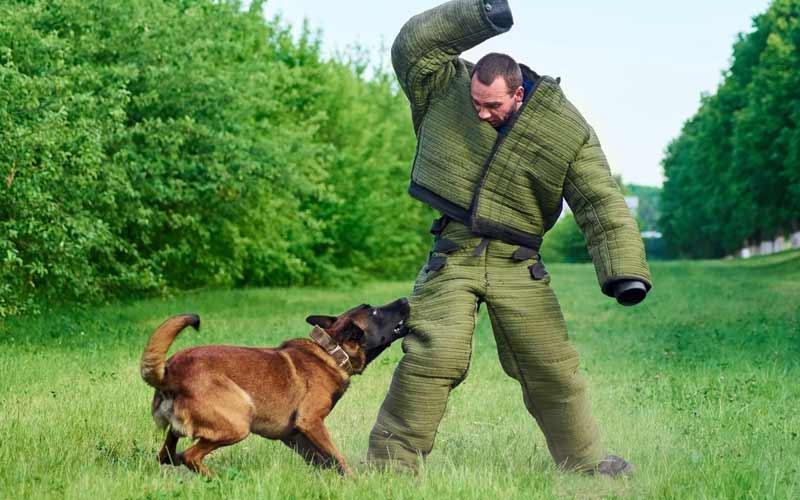
Establishing clear training goals is important for efficient pet training, as it offers both the owner and the canine with a clear instructions. By developing certain, quantifiable, achievable, appropriate, and time-bound (CLEVER) purposes, owners can better track their pet dog's progress and preserve motivation. Goals can range from standard commands like rest and stay to much more complicated habits such as leash strolling or recall. It is vital for owners to prioritize these objectives based on their canine's demands and the proprietor's way of life. Regularly reflecting on and readjusting these goals warranties they stay achievable and relevant. Inevitably, clear training goals foster a structured method that profits both the pet dog and the proprietor, causing a much more unified relationship and effective training end results.
Positive Support Techniques
Favorable support methods are essential for reliable pet training, concentrating on reward-based approaches to motivate preferred actions. The significance of timing and consistency in delivering benefits can not be overstated, as they straight influence the pet dog's understanding of the training process. Establishing achievable objectives additionally boosts the training experience, ensuring both the pet dog and fitness instructor stay engaged and motivated.
Reward-Based Training Techniques
Reward-based training methods, typically described as favorable reinforcement techniques, effectively urge desirable habits in pet dogs by associating actions with benefits. These approaches use treats, praise, or play to reinforce specific behaviors, producing a positive learning environment. When a dog sits on command and obtains a treat, it starts to comprehend the connection in between the action and the incentive. This approach cultivates trust and reinforces the bond between the canine and its proprietor. In addition, it promotes a feeling of safety and security, enabling the dog to feel great in its capability to please its handler. In general, reward-based training not only enhances obedience but also adds to a well-adjusted and pleased animal, making it a preferred choice for lots of pet owners.
Timing and Uniformity
When training pets, the relevance of timing and consistency can not be overemphasized, as these elements play a crucial duty in enhancing preferred habits. Reliable timing warranties that incentives are provided right away complying with a positive action, allowing the pet to make a clear connection in between the behavior and the reinforcement. Consistency, on the other hand, implies applying the very same cues and benefits every time a specific habits takes place, which fosters understanding and trust fund. Without these two parts, pets might become baffled regarding what is anticipated of them. By preserving an organized approach, instructors can improve their pet's learning experience, resulting in better habits and a stronger bond in between the dog and proprietor, inevitably resulting in successful training results.
Establishing Achievable Objectives
Setting attainable goals is necessary in pet dog training, as it helps owners preserve motivation and focus throughout the process. Clear purposes, such as mentor fundamental commands or boosting leash manners, provide structure to training sessions. Proprietors need to damage down these goals into smaller sized, workable steps, permitting progressive progression. Grasping "sit" can begin with drawing the pet right into placement, adhered to by gratifying effective efforts. Favorable reinforcement techniques, such as treats or praise, enhance wanted behaviors, making training delightful for both canine and owner. Tracking progression can additionally enhance inspiration, encouraging owners to celebrate tiny victories. By setting realistic expectations, proprietors develop a favorable training environment, promoting a stronger bond with their furry buddies.
Uniformity Is Key
Although several aspects add to effective pet training, uniformity stands apart as one of one of the most crucial components. Pets grow on regular, and predictable commands aid strengthen knowing. When owners use training techniques regularly, pet dogs start to comprehend what is anticipated of them. Irregular support can puzzle a dog, leading to stress for both the animal and owner. It is vital for all relative to make use of the exact same commands and rewards, making certain a unified technique to training. Additionally, consistency in timing during training sessions can improve a dog's capacity to find out and retain new actions. By developing a solid and constant foundation, pet dog proprietors establish their animals up for lasting success in obedience and behavior.
Including Training Into Daily Routines
Incorporating training into everyday routines can markedly boost a dog's discovering experience, as it permits all-natural chances to reinforce commands and behaviors. Basic tasks, such as feeding, walking, or playing, can act as suitable moments for training. As an example, utilizing sit or stay commands before have a peek here meals assists develop framework and discipline. Throughout walks, practicing chain manners and recall can change a normal getaway right into a productive training session. Additionally, participating in short training workouts throughout the day maintains the dog psychologically stimulated Source and strengthens learned skills. Constant assimilation of training into everyday tasks promotes a much deeper bond in between the pet dog and owner, making the training process effective and enjoyable. This approach inevitably contributes to a well-behaved and delighted canine friend.
Repairing Typical Training Challenges
When training dogs, distractions and anxiousness can present substantial challenges. It is necessary to identify strategies to reduce these diversions and assist canines really feel even more safe and secure throughout training sessions. Attending to these typical concerns can bring about a much more effective and positive training experience.
Dealing With Disturbances Throughout Training
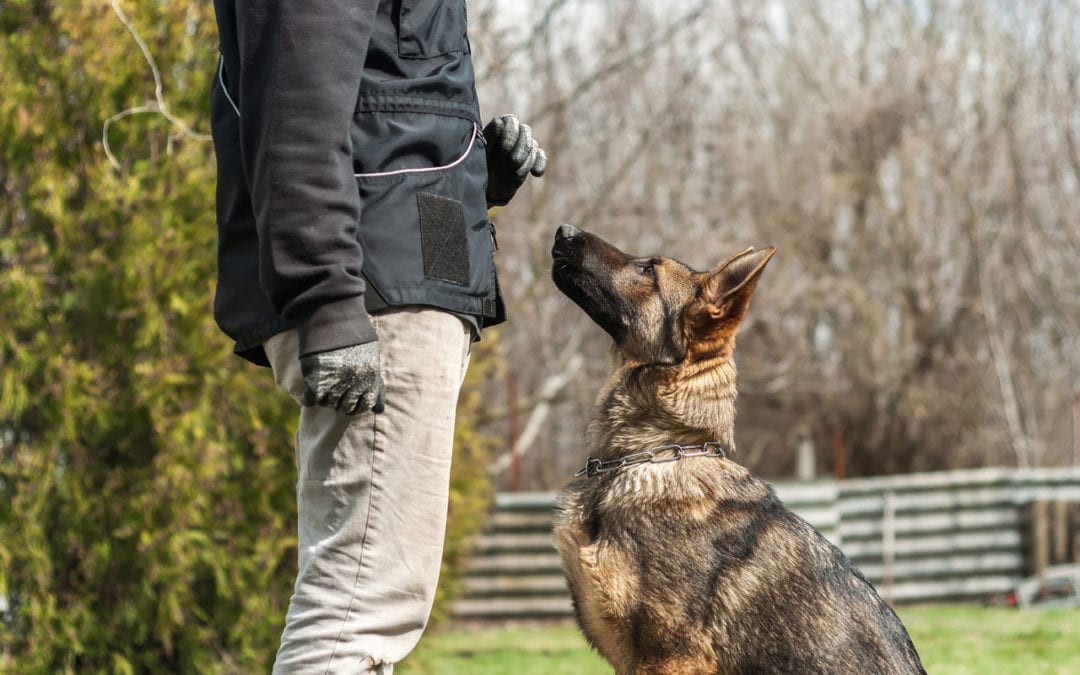
Interruptions can derail even one of the most concentrated training sessions, making it essential for trainers to implement techniques that lessen their effect. To start, selecting a acquainted and quiet atmosphere for training can greatly lower external stimulations. Progressively introducing distractions, such as other pet dogs or noises, aids dogs learn to concentrate in the middle of obstacles. Additionally, utilizing high-value incentives can capture a dog's attention and reinforce desired habits. Short, interesting training sessions keep canines inspired and less likely to be distracted. Uniformity is vital; establishing a routine assists pet dogs understand what to anticipate. Finally, fitness instructors should stay tranquil and client, as their disposition can influence the canine's capability to focus, promoting an extra productive training atmosphere.

Getting Rid Of Worry and Anxiety
Getting rid of anxiety and stress and anxiety in canines calls for a thoughtful method, as these emotional challenges can impede training progression. It is necessary to recognize the certain triggers that trigger anxiety, whether they are loud noises, strange atmospheres, or specific individuals. Gradual desensitization can be reliable; presenting the pet to these triggers in a controlled manner assists them build confidence. Favorable reinforcement techniques, such as treats and appreciation, urge calm habits throughout difficult situations. In addition, developing a safe area where the canine can pull away when feeling overwhelmed is crucial. Uniformity and perseverance are key; training sessions should be short and favorable to stay clear of worsening stress and anxiety. With time and suitable methods, fearful canines can discover to handle their feelings and flourish.
Often Asked Concerns
What Age Is Finest to Beginning Training My Dog?
The finest age to start training a dog is normally around 8 weeks old. Dog Training Freeport Florida. At this stage, puppies are very receptive to learning and can swiftly understand standard commands, establishing a structure for future training
How much time Should Each Training Session Last?
Each training session ought to preferably last in between 5 to 15 mins, depending click for info on the pet's age and attention period. Short, frequent sessions help keep engagement and reinforce finding out efficiently, making training delightful for both canine and owner.
Can I Train Several Dogs at the same time?
Training numerous pets simultaneously is feasible, however it needs cautious management to ensure emphasis (Dog Training Freeport Florida). Each canine may need specific interest, so educating sessions ought to be structured to minimize interruptions and promote effective understanding for all
What Are Some Indications My Dog Is Learning?
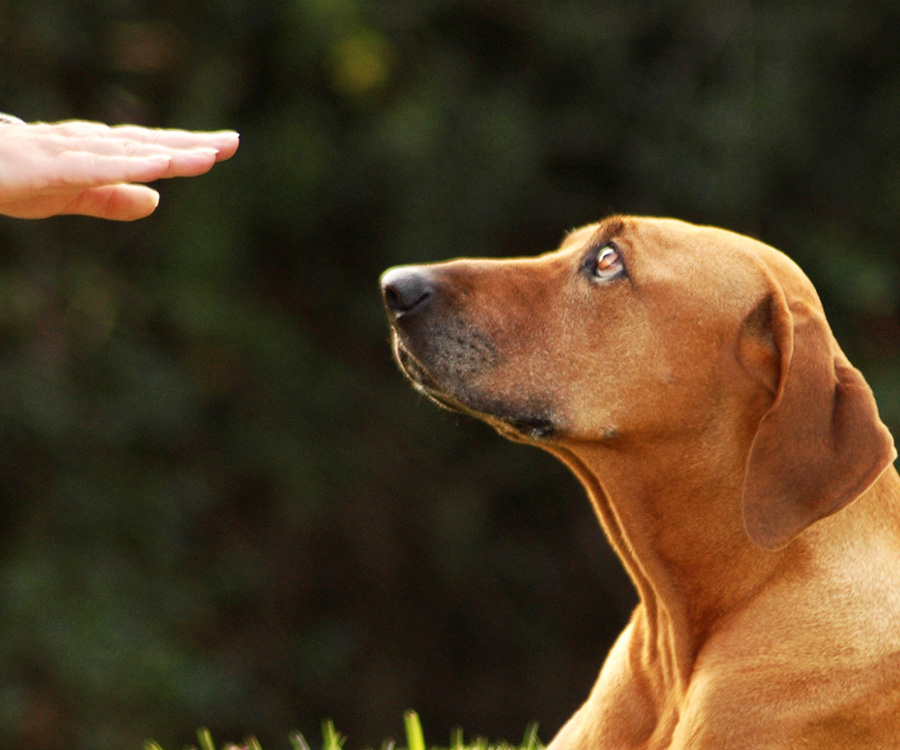
Indicators that a dog is discovering consist of enhanced focus, quicker response times, regular efficiency of commands, readiness to involve, and presenting excitement or positive body language. These indicators mirror the pet's expanding understanding and retention of training.
Just how Do I Know if My Dog Is Emphasized Throughout Training?
Indicators of a stressed pet during training may consist of too much panting, pacing, yawping, cring, or showing uninterest in jobs - Board and Train Freeport Florida. Observing these behaviors can help determine when to change training approaches for the pet dog's health
Comprehending a dog's habits is vital for effective training, as it enables proprietors to respond properly to their pet dog's requirements. Setting clear training objectives is crucial for reliable pet dog training, as it supplies both the owner and the pet with a clear direction. Establishing attainable goals is vital in dog training, as it assists owners preserve motivation and emphasis throughout the process. Positive support strategies, such as treats or praise, enhance wanted habits, making training pleasurable for both pet and proprietor. Consistent integration of training into daily activities cultivates a deeper bond in between the dog and owner, making the training process delightful and effective.